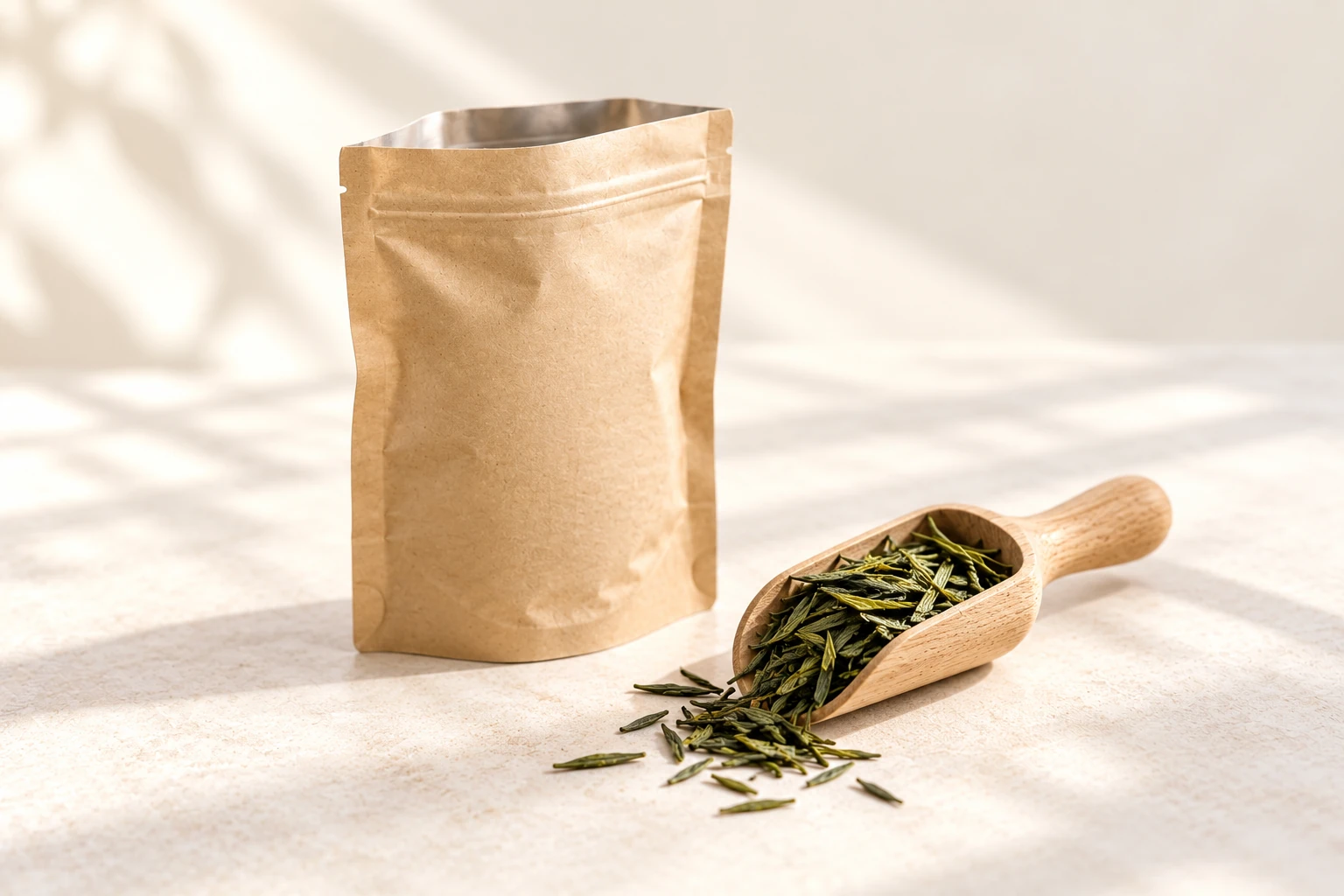
Why do green tea brewing instructions disagree?
Two packets can both say sencha and still ask for quite different quantities of leaf. Before deciding that one recipe is wrong, check how mu...
Read the story ↗Two packets can both say sencha and still ask for quite different quantities of leaf. Before deciding that one recipe is wrong, check how mu...
Read the story ↗
Start with the timing convention given by the tea's producer. If it says to count from the beginning of the pour, do that consistently. ...
Read the story ↗A practical tea station needs dry storage, a way to measure the portion and a clear place for wet equipment. In a shared kitchen, the best ...
Read the story ↗If plain green tea suddenly tastes like another drink, test the equipment before blaming the leaves. A shared lid, strainer or mug can intro...
Read the story ↗Pack the dry tea around the place where you will brew it. A measured portion is useful only if you also have a cup, suitable strainer and ac...
Read the story ↗A useful tea label tells you what you are buying and gives you a workable starting point for brewing it. Attractive place names and adjectiv...
Read the story ↗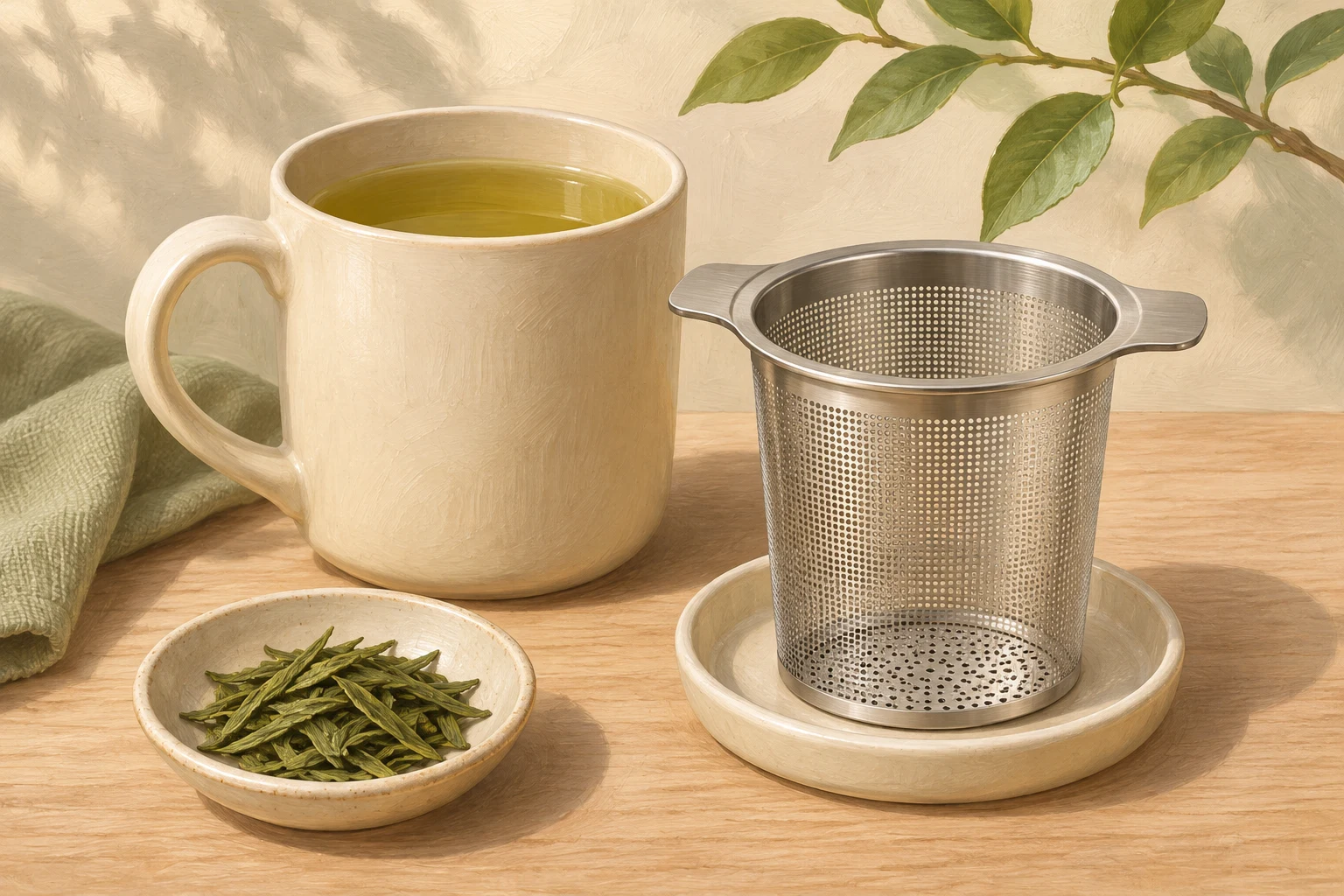
If an infuser drains much more slowly than it used to, look at the filter before changing the tea recipe. Fine leaf particles can collect ag...
Read the story ↗Choose tea that fits the recipient's existing routine before choosing impressive packaging. Someone who drinks from one large mug may ge...
Read the story ↗A clean French press can be a useful vessel for loose-leaf green tea, especially when you already own one and want to try tea before buying ...
Read the story ↗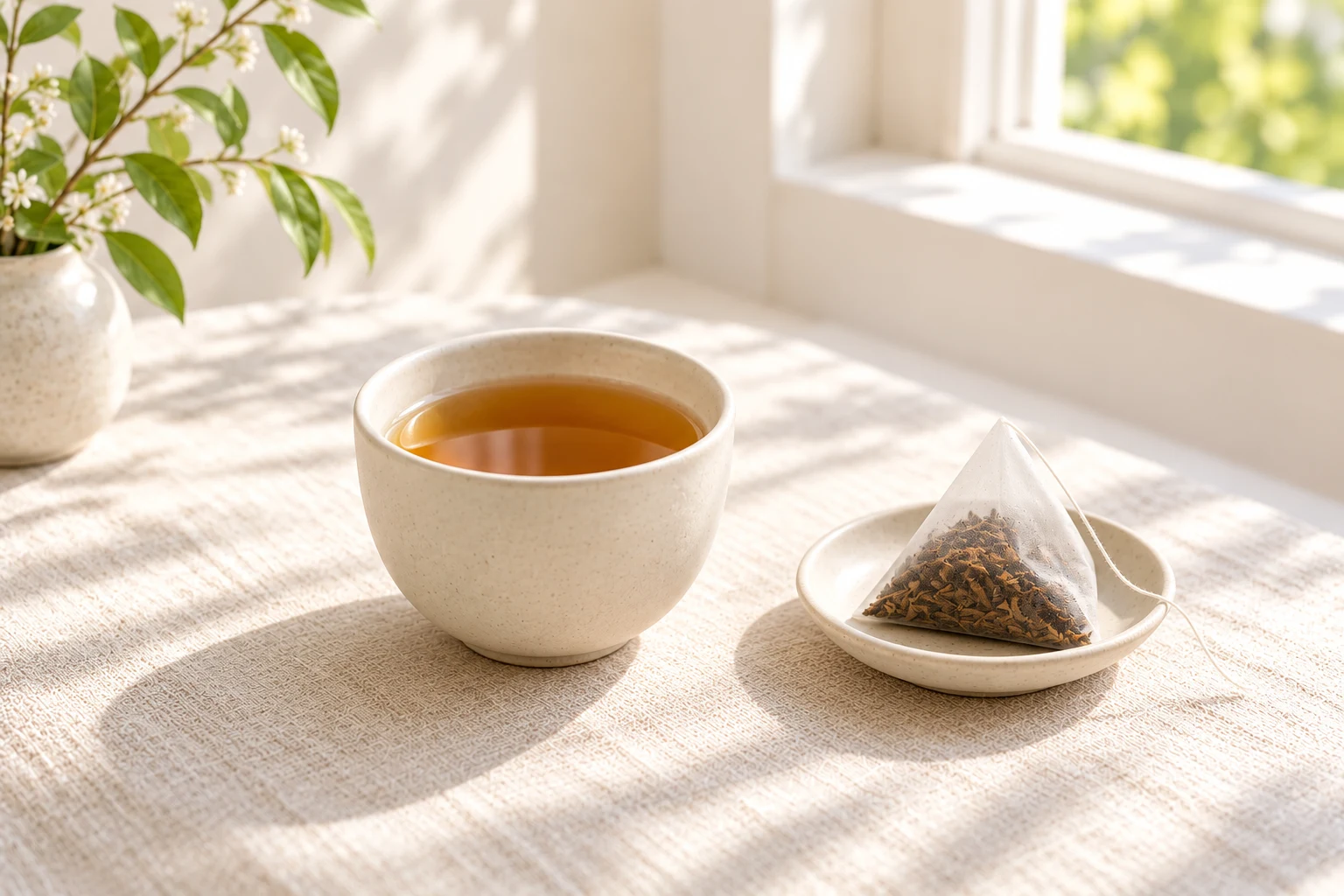
Start hojicha tea bags with the directions for your exact packet, including its intended water volume. A one-cup bag may be designed for a m...
Read the story ↗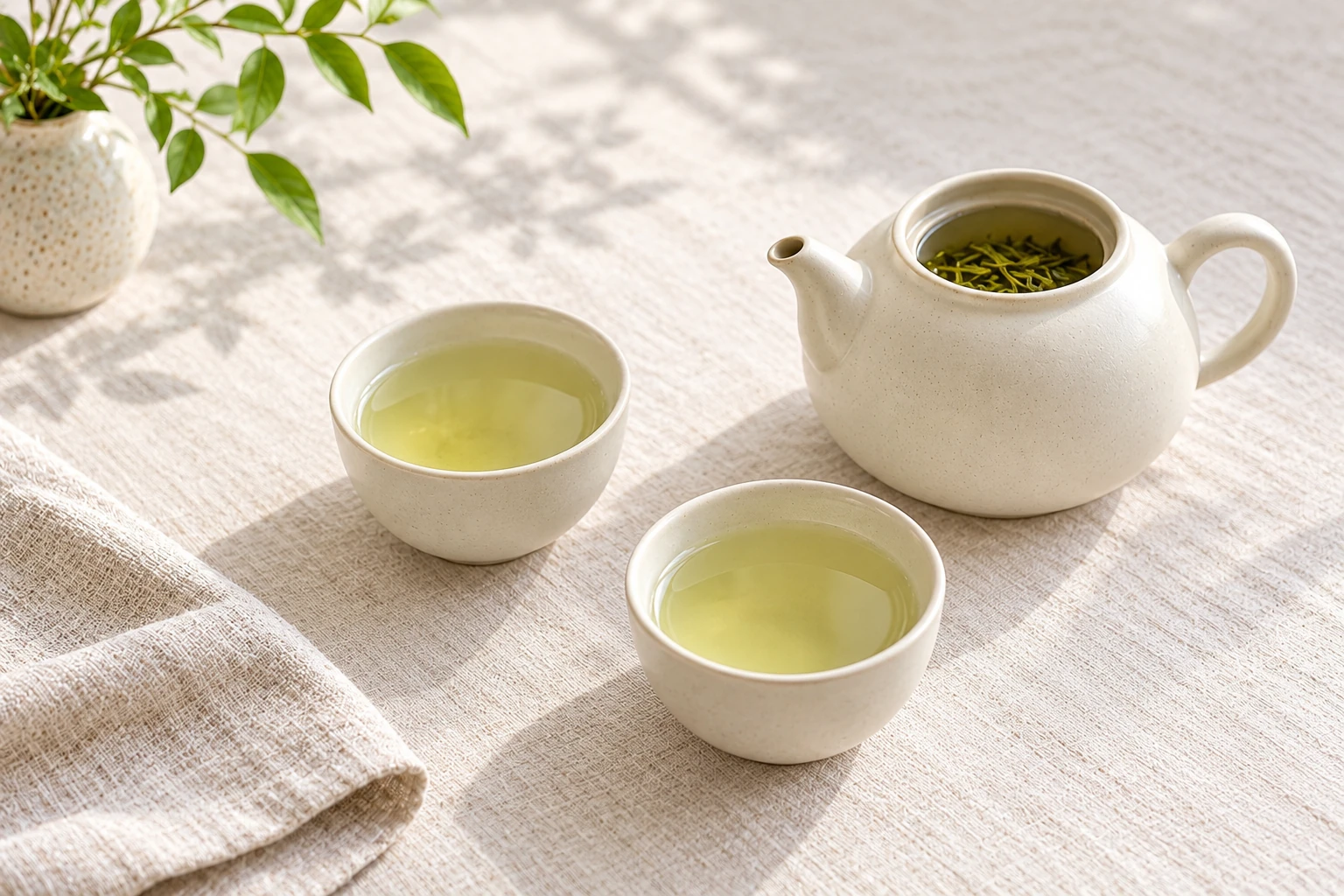
For several cups of green tea from one pot, pour a small amount into each cup, then reverse the order and repeat. With three cups, use A, B,...
Read the story ↗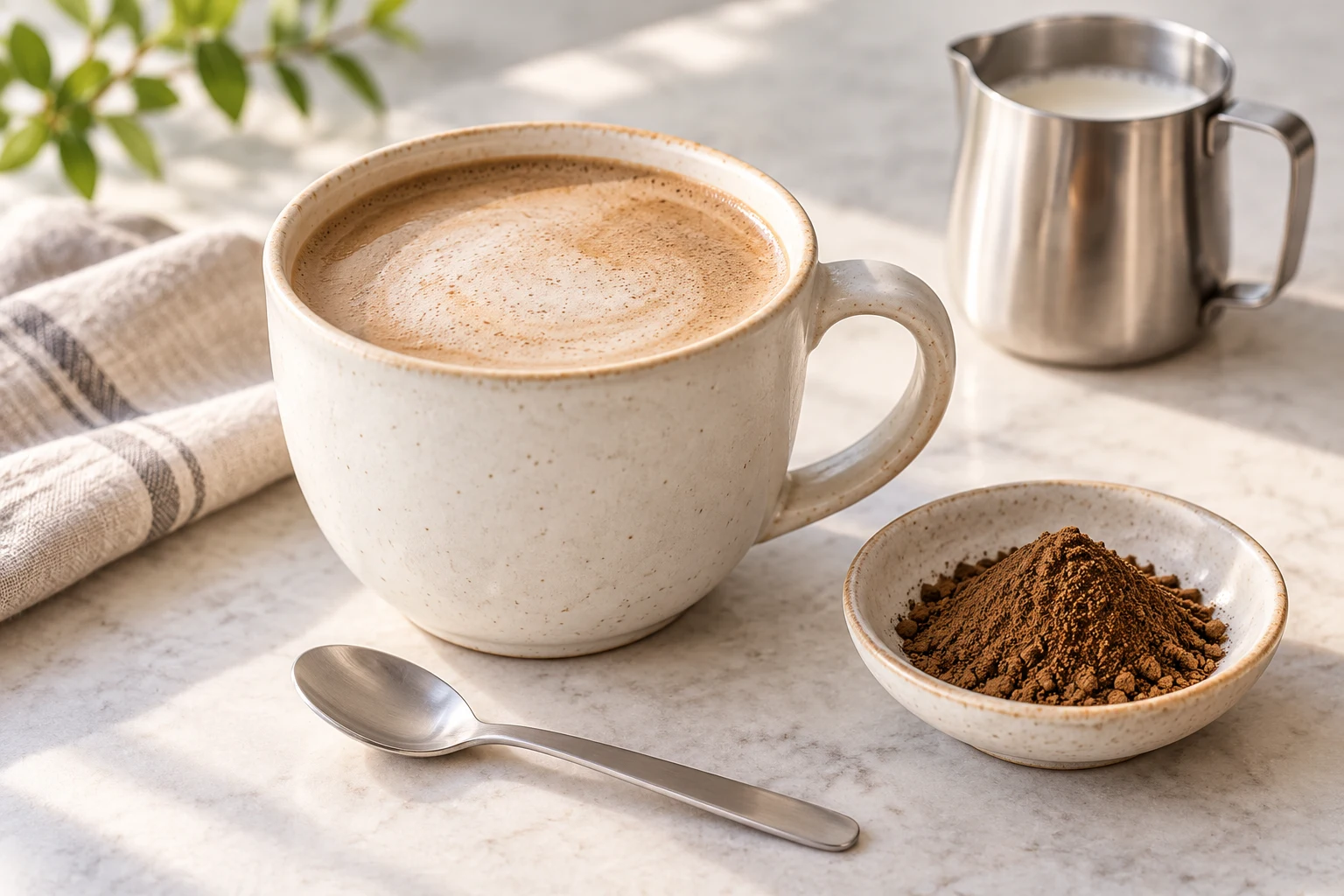
To make a hojicha latte with powder, mix the roasted tea with a small amount of hot water before adding warmed milk. Hojicha Co.'s recip...
Read the story ↗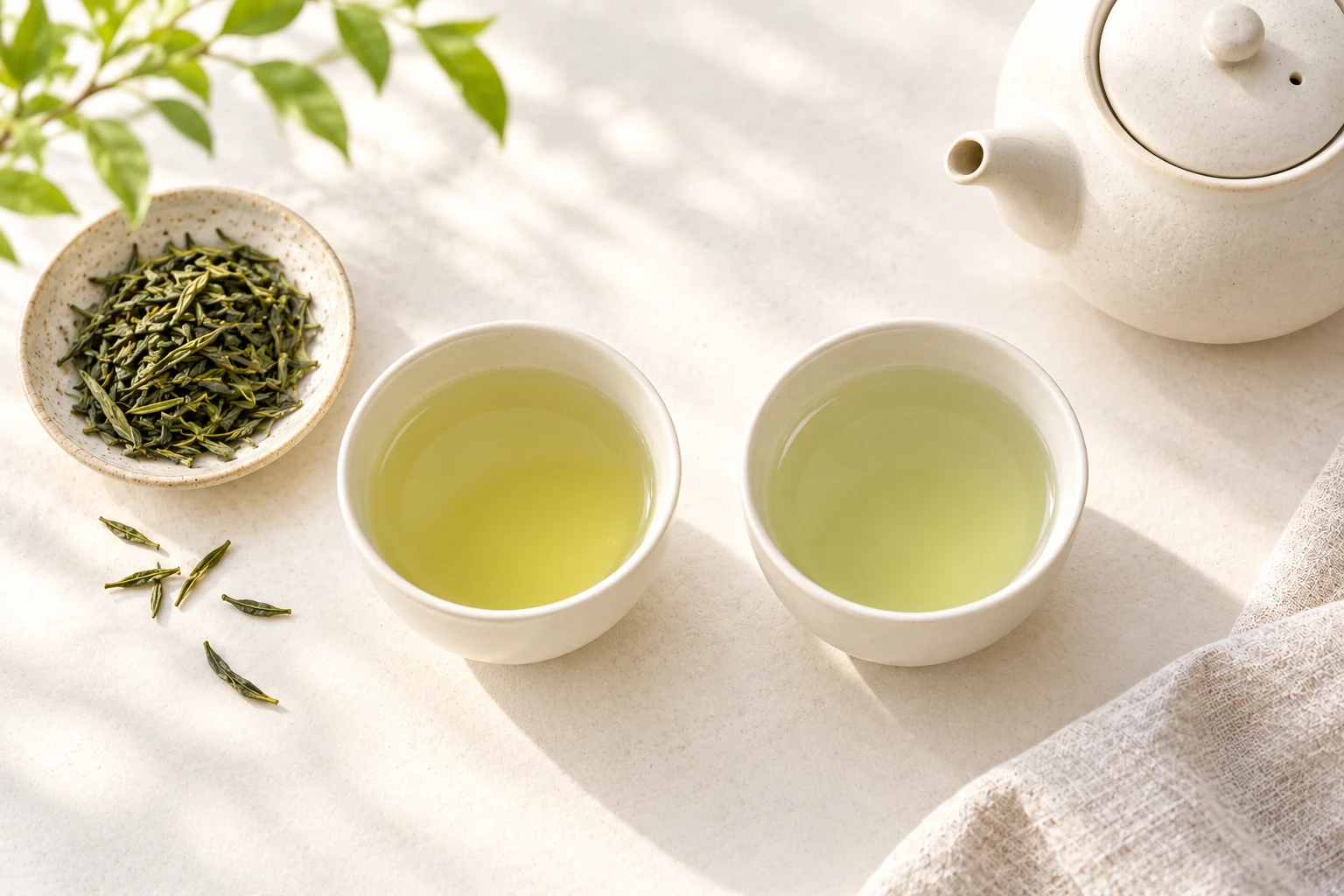
Kabusecha is Japanese green tea shaded before harvest; standard sencha is generally grown without that covering. Kabusecha is worth trying i...
Read the story ↗Measure loose-leaf tea in grams when you want to repeat a brew accurately. A teaspoon measures volume, so the mass it holds depends on the l...
Read the story ↗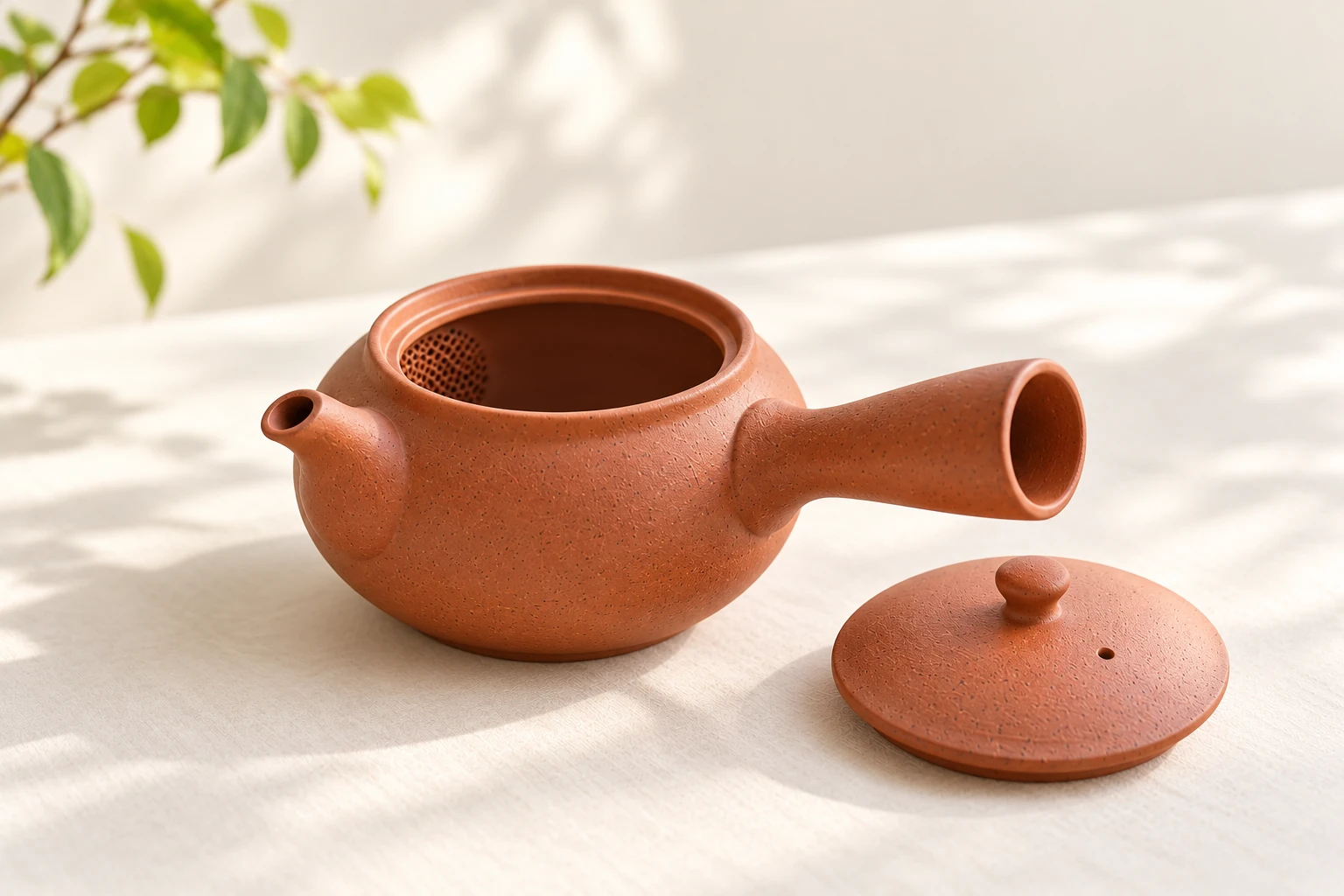
Choose a kyusu for the amount of sencha you actually brew and the size of its leaf particles. Look inside the pot before judging its colour ...
Read the story ↗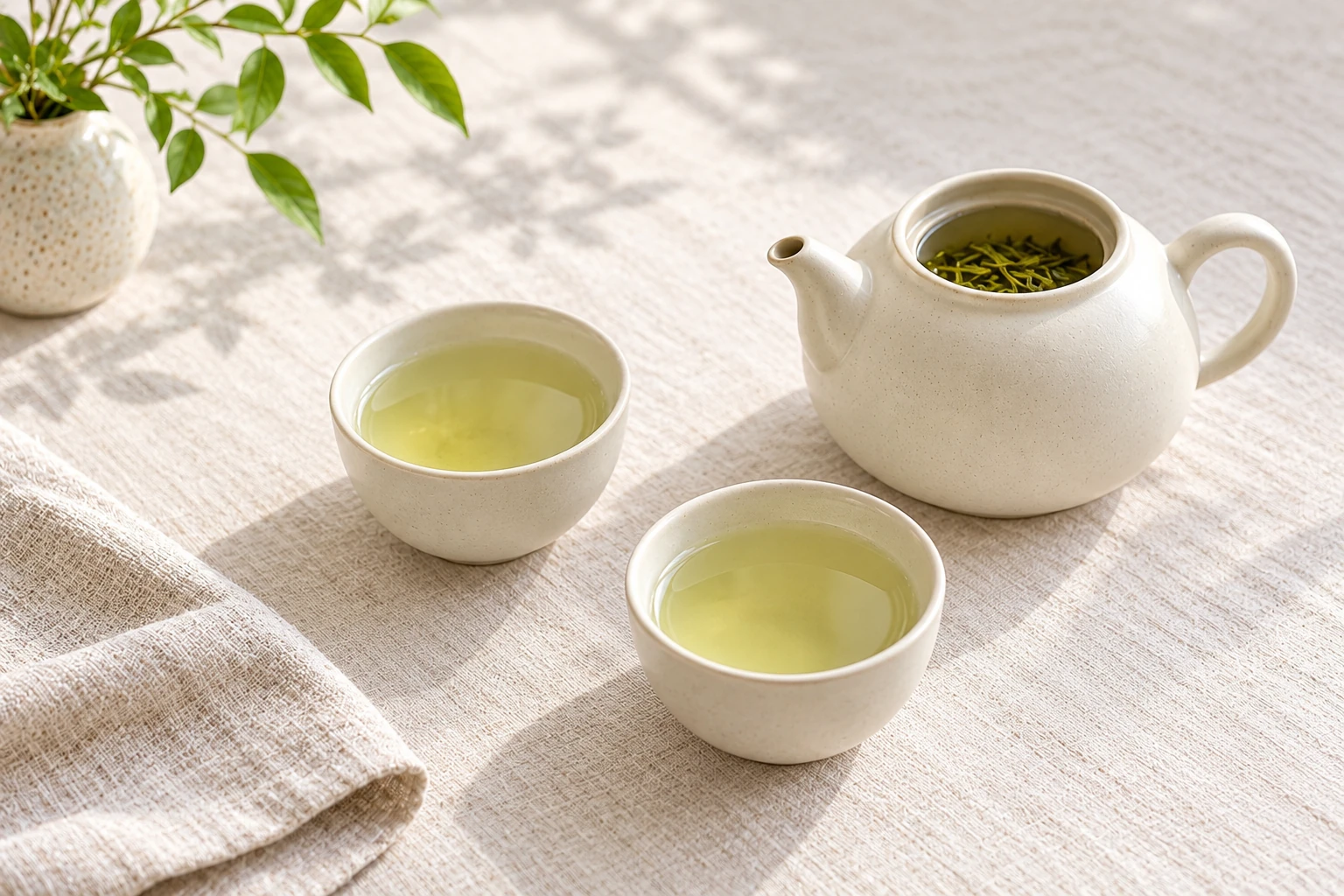
Bancha and sencha are Japanese tea names, but the label “bancha” needs a little more reading before you buy. It can appear on a straightforw...
Read the story ↗
Shincha and sencha can describe the same tea. Shincha identifies a new-season release associated with the spring harvest; sencha identifies ...
Read the story ↗